

Fly Fishing the Wye for the First Time: Rods, Licences and Reading the Water
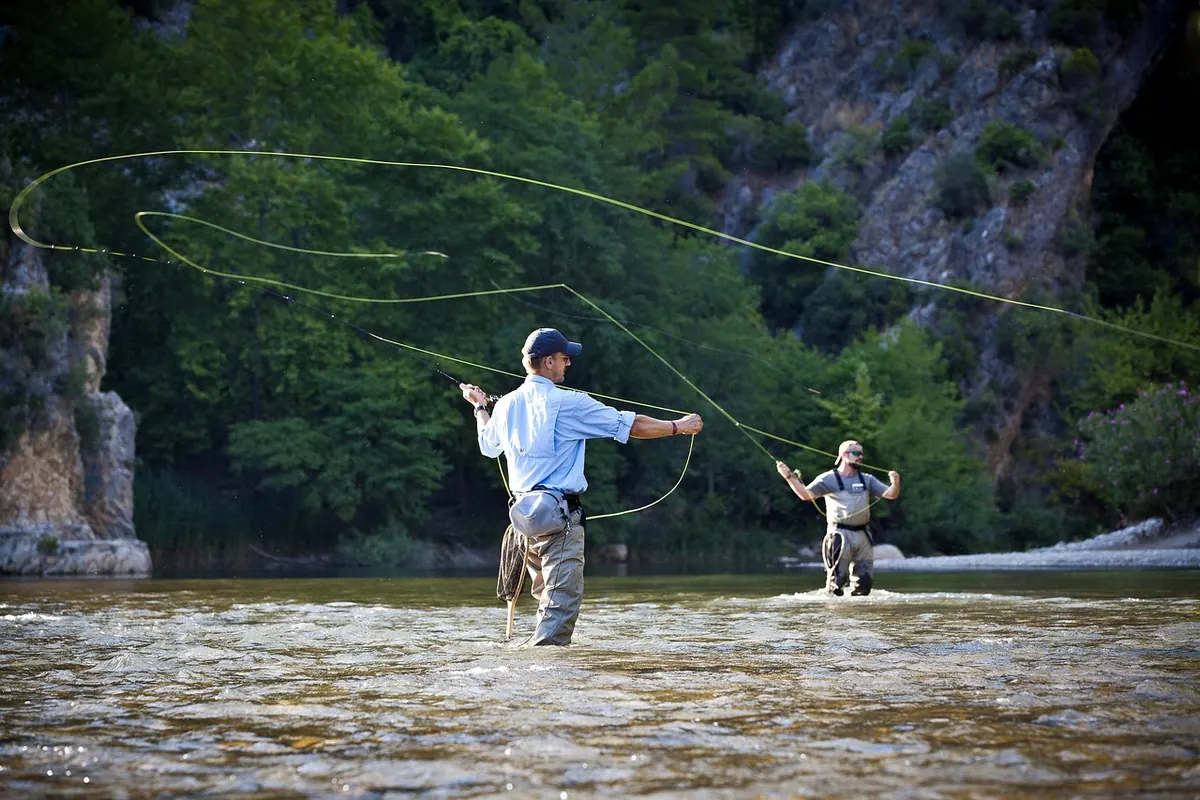
A first morning on the Wye usually starts with a lot of standing about. The river is wide, the gravel shifts under your boots, and somewhere out in the middle a fish is rising to something you cannot quite see. The distance between that moment and a hooked fish is mostly made of practical decisions: which licence, which rod, which stretch, and which twenty metres of water to actually fish.
The paperwork comes first
Fishing the Wye without the right licence is not a paperwork slip — it is a criminal offence, and bailiffs do patrol. In England and Wales you need a rod licence from the Environment Agency. A coarse and non-migratory trout licence covers trout, grayling, chub, dace and the rest. If you intend to fish for salmon or sea trout, you need the separate salmon and sea trout licence, which costs more. Juniors can obtain a free licence, but the age rules are worth checking on the EA or Natural Resources Wales site before you travel.
The licence does not give you the right to fish anywhere. Almost all of the Wye's banks are privately owned, and a public footpath along the water gives you a walk, not a fishing permit. Your fishing comes from a day ticket or club permit, sold by the Wye and Usk Foundation, local angling clubs, hotels, farm B&Bs and individual beats. When you buy one, ask three questions: how many rods are on the water, is it catch and release, and is wading allowed? The answers change from beat to beat, sometimes from week to week.
A rod that suits the water
The Wye is a big, open river, and most beginners turn up under-gunned and over-complicated. A nine-foot, five-weight rod with a floating line will handle nymphs, dry flies and small streamers on almost any trout water you will meet on the middle Wye. If you plan to spend your time Czech-nymphing or chasing grayling, a ten-foot four-weight is easier to control and mends line better. On a wide, windy beat, a nine-foot-six six-weight saves your shoulder.
Do not spend the money on the rod. Spend it on the line and the leader. A cheap outfit with a decent weight-forward floating line and a tapered leader of nine to twelve feet down to 4X or 5X will fish better than an expensive rod with a tired, cracked line. The reel is mostly a place to store line; a smooth drag matters only on the day something large takes you into the current.
The rest of the kit that actually matters
- Chest or waist waders with a wading belt, done up. The Wye's gravel is uneven and the belt buys you time if you go in.
- A folding wading staff. This is not a luxury on a river this size.
- Polarised sunglasses, which do more for spotting fish than any fly in the box.
- A knotless landing net, forceps, and a small box of flies you understand: a few weighted nymphs, a couple of dries, a handful of streamers.
- A dry bag or waterproof pouch for your phone and licence.
- Floatant, tippet spools, nippers, and a towel you do not mind losing.
Seasons and rules that move
Salmon and sea trout fishing on the Wye is only open for part of the year, opening in spring and closing in October, and those dates have been trimmed repeatedly as stocks have fallen. Treat salmon as catch and release; in Wales, releasing salmon is mandatory. Brown trout fishing generally runs from March to the end of September. Coarse fish have no statutory close season on rivers in England and Wales, so chub and dace are available all year. Grayling are a winter fish, but local beats often apply their own restrictions during spawning.
Two more things to check before you leave the house. First, the warm-weather protocol: during hot, low-water spells, angling on Welsh rivers can be restricted to early mornings or suspended altogether. Second, biosecurity. The Wye has enough problems with invasive species and disease without your boots carrying more in. Clean and dry your kit between rivers.
Reading the water
A river is a sequence: riffle, glide, pool, riffle again. The riffle is shallow, fast and aerated. The glide is smooth and steady. The pool is deep and slow. Fish sit facing upstream and let food come to them, which means you are looking for the places where the current delivers something edible without costing the fish much energy.
The most useful feature to learn is the seam — the line where fast water meets slow. Look for the foam line, the crease in the surface, or the change in colour where a shallow run spills into deeper water. That seam is a conveyor belt of insects, and trout sit just off it in the slack water, close enough to dart out. Watch a single bubble travel downstream and you will see exactly where a drifting nymph will go.
Where a fish will be
Look for drop-offs and sudden depth changes, the cushion of calmer water behind and beside a boulder, undercut banks where the current has eaten away the soil, shaded water beneath overhanging alders, and the tail of a pool where it shallows before the next riffle. Fish the head of a pool where the riffle pours in, and the tail where food collects. Skip the long, featureless middle until you have more experience.
Your first pool, step by step
- Park legally, check your ticket, and walk the beat before you assemble anything. Twenty minutes of looking saves an hour of flogging dead water.
- Pick one pool — usually the one with the clearest seam and a bit of shade. Ignore the rest.
- Stay back from the edge. Trout in clear, low water see you long before you see them. Kneel if you have to.
- Fish it upstream. Cast above the seam and let the fly drift down naturally, keeping the rod tip low and the line off the fast water so it does not drag.
- Cover the water in a grid, one step across after each few casts. Do not wade into the pool you are about to fish.
- Change depth before you change fly. Most refusals are a matter of the fly running an inch too high.
Before you go
Book your ticket in advance, read the beat notes properly, and take a screenshot of the access and parking details — mobile signal on the Wye is patchy at best. Tell someone where you are going and when you expect to be back, and do not fish rising, coloured water alone. Take the licence, take the net, and take a photograph of the river on your phone so you can compare it next time; a beat that looks baffling in June often makes perfect sense in September when you can see the gravel bars.
One last note on rules: fishing regulations, licence fees and season dates on the Wye change often, and the responsibility for checking current rules sits with you. Confirm the details with the Environment Agency, Natural Resources Wales or the beat you have booked before you set out. If anything about access, protected species or local restrictions is unclear, ask the ticket provider directly rather than assuming.
Photo: 17332085 / Pixabay