
What to Watch For on the Wye Month by Month: A Seasonal Wildlife Calendar
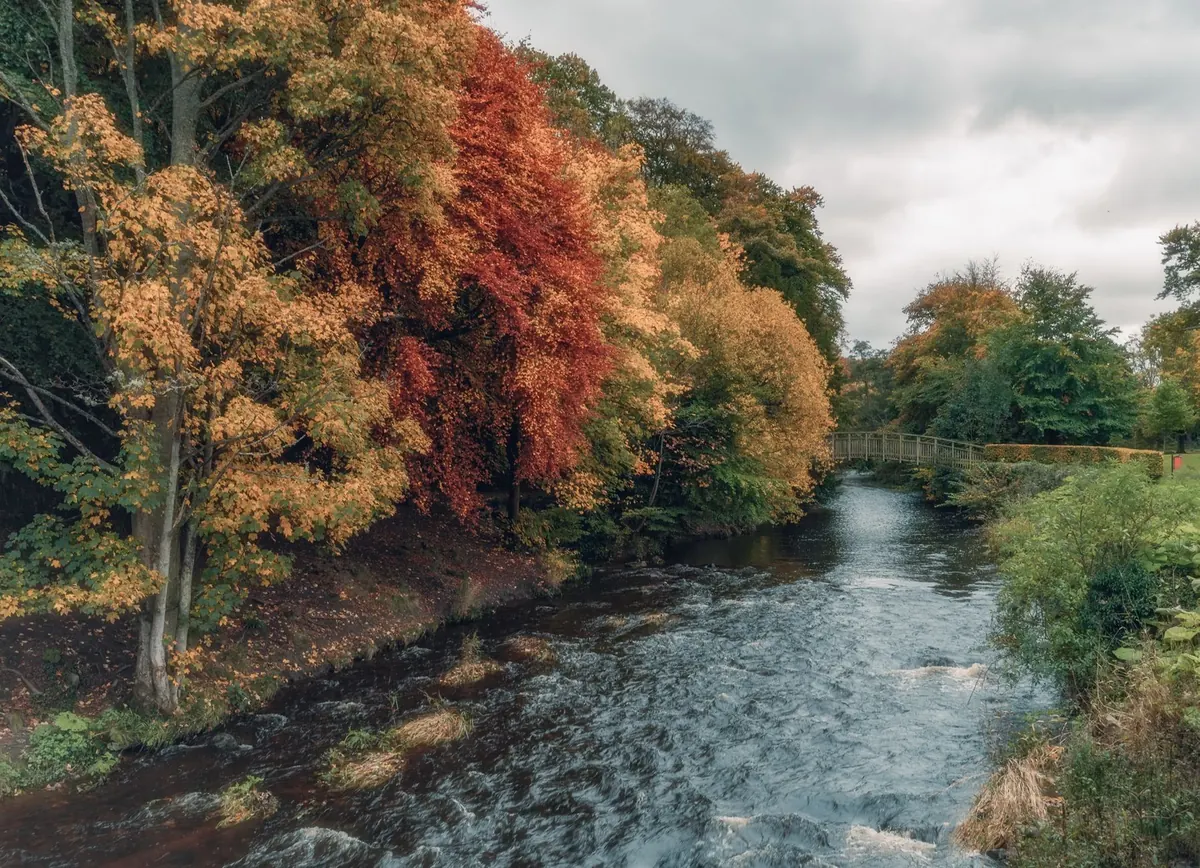
A walk along the Wye in February is a different river from the same walk in June — not only in colour and light, but in what is actually happening in and around the water. The things worth stopping for are rarely the obvious ones. A silver flash moving downstream with the current is a salmon smolt heading for the sea, not a fish battling upstream. A thin chattering from a bank of bare alders in March is a sand martin colony just back from Africa. Knowing roughly what should be doing what turns a pleasant stroll into something closer to reading a story.
What follows is a general guide for the Wye and its tributaries. Weather moves things by a fortnight either way, and the upper river runs later and colder than the Hereford and Monmouth stretches.
January and February: The Quiet Build-Up
Winter looks empty and isn't. This is the season for waterfowl and for reading the river rather than watching the sky. Goosanders — saw-billed, fish-eating diving ducks — are at their most numerous now. Males are creamy white with a dark green head; females grey with a chestnut head and a ragged crest. You will often see them working a pool as a loose group, one bird diving while the others drift. Goldeneye, wigeon and teal turn up on flooded meadows and slower margins, and cormorants stand on half-submerged trees with their wings spread to dry.
Dippers are the star of a cold morning. They hold territory right through winter, sing a surprisingly bright song in January, and start building their domed mossy nests as early as February, tucked behind a waterfall or under a bridge ledge. Watch a stone in a fast riffle: the bird lands, bobs, then walks straight into the white water and disappears.
Otters leave their spraints — dark, tarry, often full of fish scales — on flat-topped boulders and under bridge arches. After rain, look for five-toed prints in the mud at the water's edge. Below the surface, salmon eggs lie in gravel redds cut the previous winter, slowly developing. Avoid wading across shallow gravel in these months; you cannot see what you are standing on.
March and April: Nesting, Smolts and First Hatches
Sand martins arrive first, usually mid-March, and immediately start excavating holes in sandy, eroding banks. Find a colony and you can spend a happy half hour watching birds flick in and out of the holes like small brown darts. Kingfishers are pairing up and digging nest tunnels into steep earth banks — a straight, fast, low flight along the water is your best clue. Grey wagtails work the weir sills, and dippers are feeding nestlings by the end of the month.
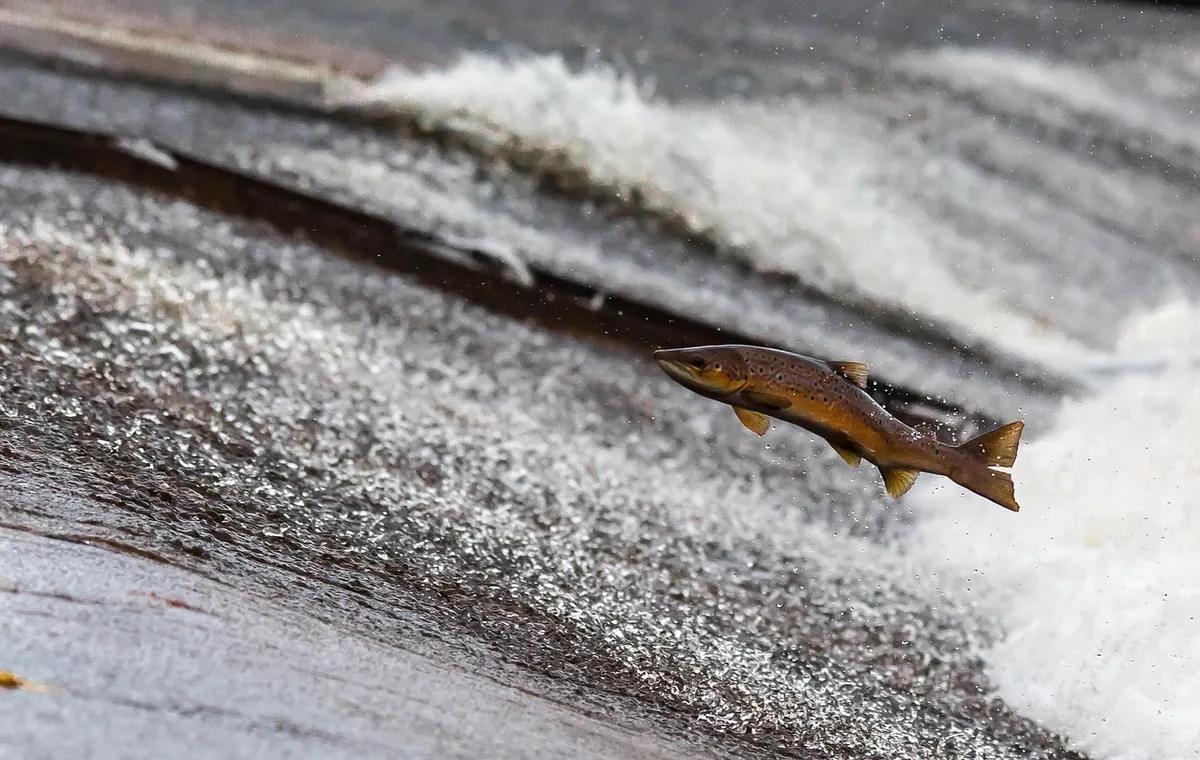
The big event is invisible from the bank unless you look carefully: salmon smolts, the two-year-old young of previous spawnings, drop downstream in April and May on their way to the sea. They are slim, silver and travel with the current in loose groups, unlike the dark, spotted brown trout holding station against it. On warm afternoons, the first upwing flies — March browns and grannom — start coming off the water.
May and June: The Great Hatch
This is the richest stretch of the year. The mayfly hatch, running from late May into June, brings fish to the surface in a way they rarely do otherwise, and the evening spinner fall can be spectacular: clouds of insects above the river, trout rising steadily, and a hatch that leaves you brushing mayflies off your shoulders.
Look down as well as up. Beds of river water crowfoot flower just beneath the surface in May, turning shallow runs into white-flecked carpets — good places to spot juvenile fish and, later, otters hunting. Twaite shad, a herring relative that runs up from the Severn estuary in spring, move through the lower Wye in these months, and lampreys spawn in gravelly shallows. Both are protected, so watch and leave well alone.
At dusk, Daubenton's bats hawk low and fast over the water, taking insects from the surface; a small torch or a bat detector if you have one adds a great deal. Sedge warblers and reed buntings sing from the bankside vegetation, common sandpipers bob along the shingle in the upper reaches, and otter cubs begin to appear alongside their mothers.
July and August: Green Water and Hidden Birds
Midsummer can be the least rewarding time for wildlife and the hardest for the river itself. Flows drop, water warms, and algae tints the shallows green. Fish crowd into riffles where oxygen is higher. It is also when the banks look most alive with colour: Himalayan balsam, an invasive plant with pink helmet-shaped flowers and a habit of scenting a whole stretch of riverbank, is in full bloom.
Walk early or late. Banded and beautiful demoiselles — dark-winged, metallic damselflies — flutter among the plants on the water's edge, and dragonflies patrol the pools. Look for family parties: goosanders with ducklings riding the current, grey wagtails feeding young on the shingle, and inexperienced juvenile herons standing on the same stone for an hour. If you see a crayfish, do not move it between rivers; the disease they carry has wiped out native populations.
September and October: Fish on the Move
Autumn rain lifts the river and with it the fish. Salmon and sea trout move upstream, though the Wye's salmon stock is a shadow of what it once was and every returning fish matters. Watch a deep pool for a long, rolling rise rather than a splash — that is a big fish turning, not feeding. Alders and ash shed their leaves, and that leaf litter is not waste: it feeds the invertebrates that feed everything else.
Winter birds begin arriving in the same period. Wigeon and teal appear on the floods, the first goosanders are back, and dippers re-establish pairs. Early mornings with low sun give the finest light of the year for seeing fish under the surface; a pair of polarised sunglasses is worth more than a fancy telescope.
November and December: Spawning Time
Salmon spawn between roughly late November and December, cutting redds in clean gravel. The classic sight is a pair holding over pale gravel in shallow water, often in the upper Wye and its tributaries. Keep well back, keep dogs out of the shallows, and do not walk across riffles — a redd with eggs in it looks like nothing more than a patch of lighter stones. Spent fish die after spawning, and their carcasses feed the whole system through winter. Otter activity picks up, frosty mornings give good visibility, and goosanders and goldeneye settle onto the river for the colder months.
Making the Most of a Riverside Walk
None of this requires expensive kit. It requires timing, patience and a willingness to stand still for ten minutes.
- Walk quietly upstream. Fish and otters face the current; approaching from behind the flow gives you a better chance before they see you.
- Get low. Kneel or crouch at the bank edge rather than standing against the skyline.
- Carry 8x42 binoculars and polarised sunglasses. Polarised lenses cut surface glare and make a submerged fish visible.
- A small notebook is better than memory. Dates of first mayfly or first sand martin are genuinely useful, and local wildlife trusts and river groups welcome records.
- Clean your boots and kit. Check, clean and dry anything that has been in the water before visiting another river.
- Stay off unstable banks and away from weir sills, and keep children back from the water's edge.
- If you fish, check current licence and byelaw requirements for the stretch before you go, and follow them.
The point of a seasonal calendar is not to tick species off, but to know where to look. Once you have seen a dipper walk into a rapid or a shad move up on a May tide, you will start planning walks around the river rather than around the day.
Photo: Michael Porter / Pexels